

#DefeatGlaucoma: Leading Eye Specialists Call for Early Detection, Regular Screening, and Greater Awareness to Prevent Irreversible Blindness in India
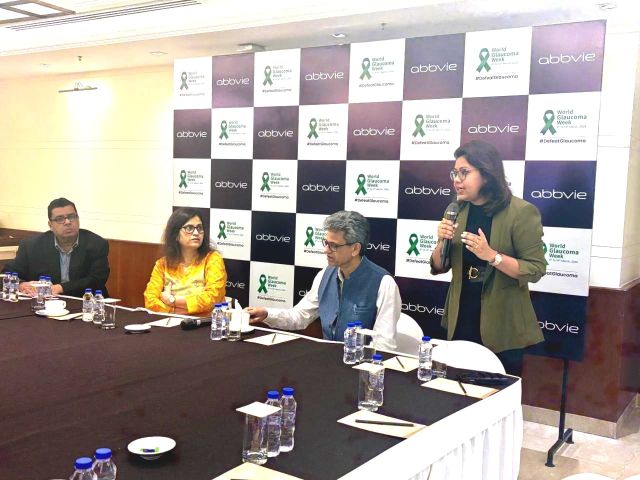
AbbVie, a global biopharmaceutical leader committed to developing innovative medicines and solutions, hosted the National Media Conclave for Glaucoma Awareness #DefeatGlaucoma at the India Habitat Centre, New Delhi, during World Glaucoma Week to spotlight glaucoma- one of the leading causes of irreversible blindness globally. The conclave brought together leading glaucoma specialists and ophthalmologists to raise awareness about the importance of early detection, regular eye check-ups, and timely management to prevent vision loss caused by the disease.
In India, glaucoma affects an estimated 12 million people, making the country one of the most impacted globally. Alarmingly, nearly 90% of glaucoma cases remain undiagnosed 1, as the disease progresses silently without noticeable symptoms in its early stages. Experts at the conclave emphasised that without timely diagnosis and treatment, glaucoma can lead to irreversible vision loss. There is a growing need to tackle glaucoma as a public health challenge through coordinated efforts that engage the general public, empower care providers, and strengthen the eye health care system at multiple levels.
Suresh Pattathil, Managing Director and General Manager, AbbVie India, said:
“Glaucoma is often called the 'silent thief of sight” because many patients remain unaware of the disease until significant vision loss has already occurred. At AbbVie, leveraging over 75 years of global eyecare expertise, we are deeply committed to advancing eye care and improving patient outcomes. Through initiatives like this Conclave, we aim not only to strengthen awareness around early detection but also to encourage regular eye examinations. We strive to ensure that more people can protect their vision, safeguard their quality of life, and join us in the mission to #DefeatGlaucoma”
The conclave featured an insightful panel discussion with leading experts in glaucoma care, including Dr Suneeta Dubey – Associate Medical Director, Head of Glaucoma Services and Chairperson-Quality Assurance at Dr. Shroff’s Charity Eye Hospital, Dr Harsh Kumar – Cataract and Glaucoma Specialist, Centre for Sight, Delhi, and Dr Ramanjit Sihota – Glaucoma Specialist at Shroff Eye Centre, with the session moderated by Dr Deven Tuli– Glaucoma Specialist, Netram Eye Foundation.
To help attendees better understand the real-life impact of glaucoma, the event began with a Glaucoma Vision Experience demonstration, allowing participants to simulate the visual limitations experienced by people living with the disease. The activity allowed journalists and attendees to gain a first-hand perspective on how glaucoma progressively affects peripheral vision, reinforcing the importance of early detection.
Speaking at the conclave, Dr Suneeta Dubey highlighted the importance of timely diagnosis, stating,
“Glaucoma often develops gradually and without noticeable symptoms, which is why many patients remain undiagnosed until irreversible damage has occurred. Regular eye examinations, especially after the age of 40, are essential for early detection and preserving vision.”
Dr Harsh Kumar emphasised the need for improved awareness and screening practices.
“Routine eye check-ups that include optic nerve evaluation and intraocular pressure measurement can help detect glaucoma early. With early diagnosis and appropriate management, the progression of the disease can often be slowed significantly.”
Dr Ramanjit Sihota highlighted the importance of patient education and long-term care.
“Glaucoma management requires lifelong monitoring and adherence to treatment. Increasing public awareness about the disease and encouraging timely consultations with eye specialists can help prevent irreversible vision loss.”
Moderating the discussion, Dr Deven Tuli underscored the importance of collaborative efforts in tackling the disease burden. “Addressing glaucoma requires a collective approach involving clinicians, policymakers, and the public. Strengthening awareness and improving access to screening and treatment services will be critical in reducing glaucoma-related blindness in India.”
Glaucoma is a chronic eye disease that damages the optic nerve, often due to increased intraocular pressure. Because the condition progresses slowly and without noticeable symptoms in its early stages, many individuals remain unaware of the disease until significant vision loss occurs. However, with regular eye examinations, timely diagnosis, and appropriate treatment, the progression of glaucoma can often be slowed, helping patients preserve their vision and quality of life.